What success looks like
Staff can review important events, manage restricted areas and support learning without placing every user on the same network.
Industries
Every environment gets its own design — see what Wikilax Tech recommends for yours.
You do not need a technical specification. These are the four things about your property that shape our recommendation.
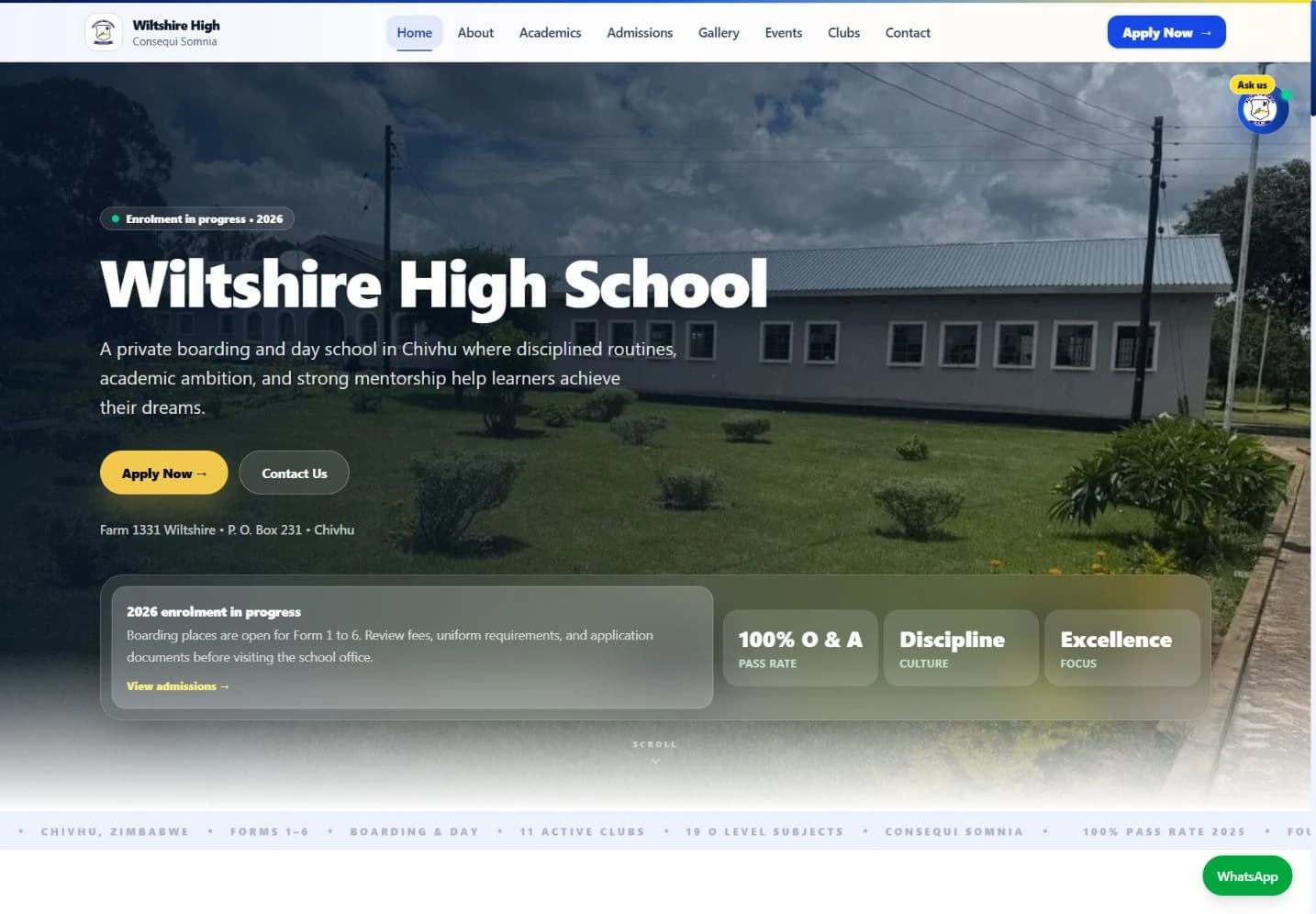
CCTV, campus Wi-Fi, access control and school websites — keeping learners safe, staff connected and parents informed.
Begin with a campus survey, separate public and controlled zones, and map the network routes that connect buildings.
A typical design may combine entrance coverage, managed access points, segmented networks, central recording and protected administration systems.
Staff can review important events, manage restricted areas and support learning without placing every user on the same network.
When a campus is expanding, cameras leave blind areas, Wi-Fi is unreliable or a school needs a clearer public website.
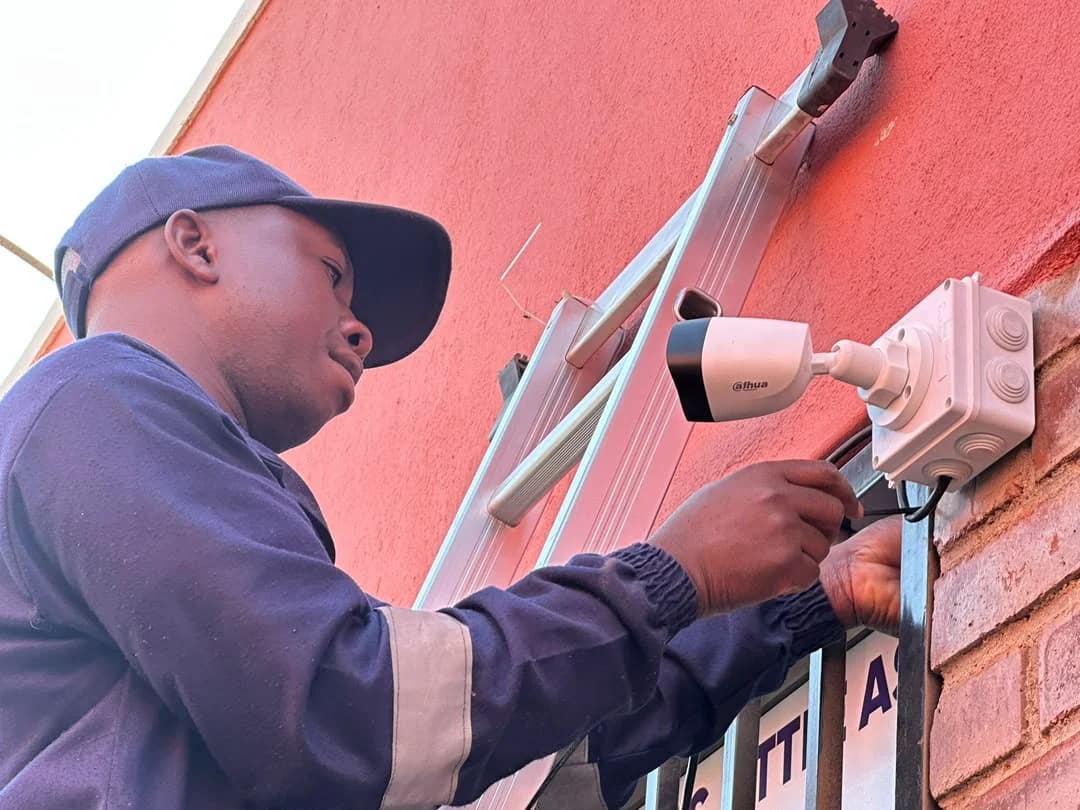
Reliable office networks, controlled entry, camera coverage and protected business data — so your team can simply work.
Map staff, visitor and administrative needs before separating networks, permissions and equipment responsibilities.
A typical office may use a managed cabinet, segmented switching, controlled doors, shared storage, backup and coordinated support.
Teams have stable connectivity, authorised access and a clearer support path when a device, link or service stops working.
Before moving offices, adding staff, extending camera coverage, replacing improvised cabling or launching a customer-facing website.
Home CCTV, alarms, gate intercoms and Wi-Fi — discreet, simple to use and easy to check from your phone.
Assess entrances, boundaries, shared spaces and connectivity before selecting camera positions or entry equipment.
A typical property may combine perimeter cameras, controlled gate entry, alarm zones, local recording and secure remote viewing.
Authorised users can check the property, retrieve footage and respond to alerts without making the system difficult to operate.
When building, moving, improving perimeter coverage or replacing cameras that do not provide useful night or remote viewing.
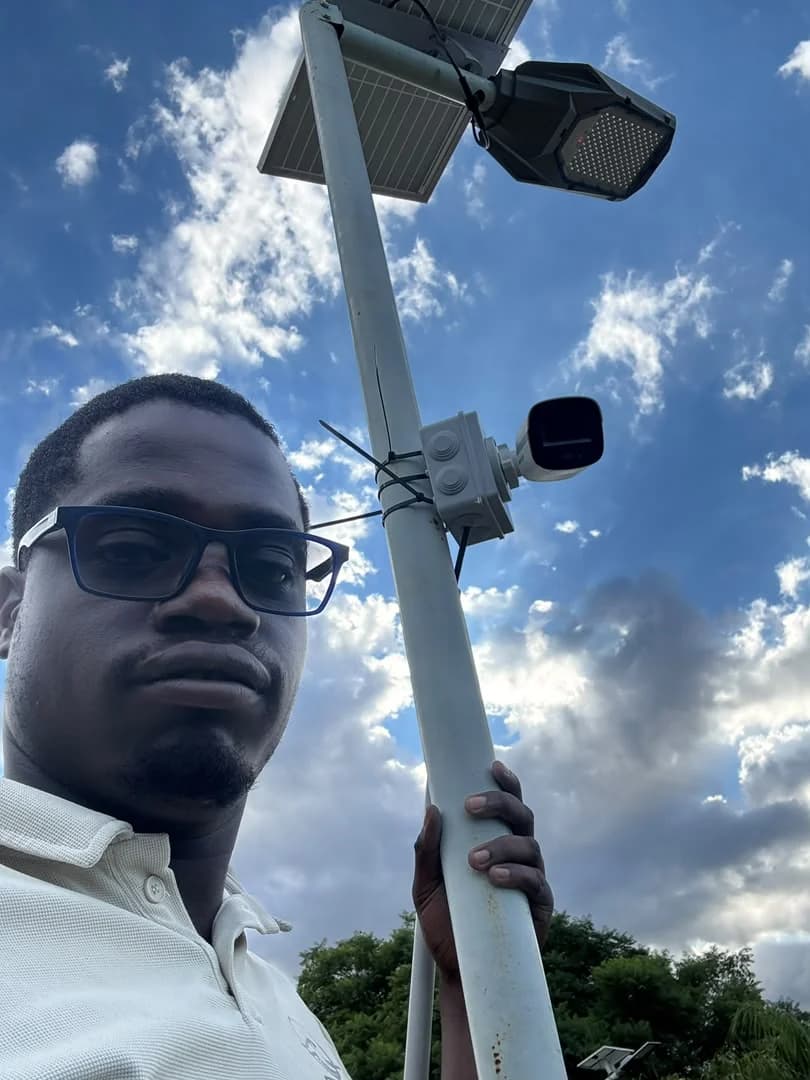
Security and connectivity for farms and remote sites — long-range links, Starlink, solar-ready cameras and local recording.
Survey distance, terrain, power and line-of-sight conditions before deciding how sites will connect.
A typical remote design may use local recording, wireless building links, protected power and carefully limited remote access.
Critical areas remain recorded locally, distant points can communicate and remote access is used without making it the only line of defence.
Before extending coverage to gates, sheds or distant buildings, or when internet and power conditions make ordinary systems unreliable.
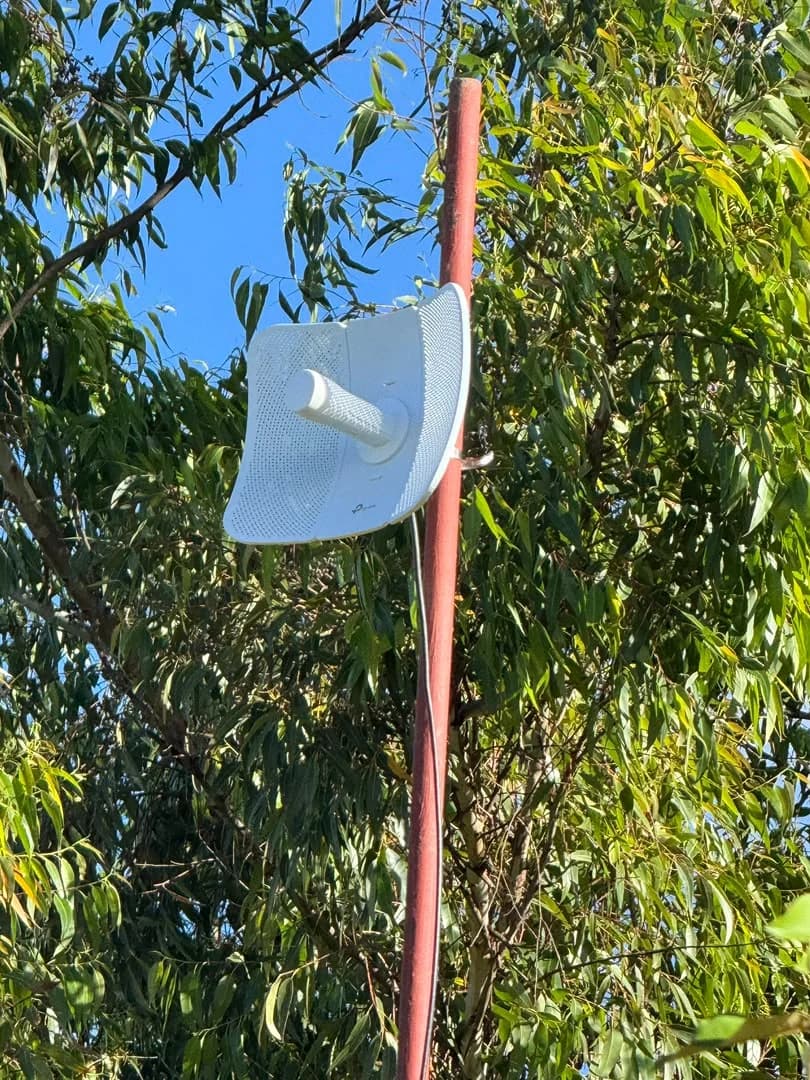
CCTV, guest Wi-Fi and booking-ready websites for shops, lodges and restaurants — protect the till and impress the guest.
Separate customer, staff and operational needs, then design coverage and connectivity around real movement through the site.
A typical design may combine public-area coverage, private staff networks, managed guest access and protected operational devices.
Public areas are easier to review, guest access stays separate from operations and staff have dependable connectivity for daily service.
Before opening a site, adding guest Wi-Fi, improving transaction-area coverage or connecting booking and business systems.
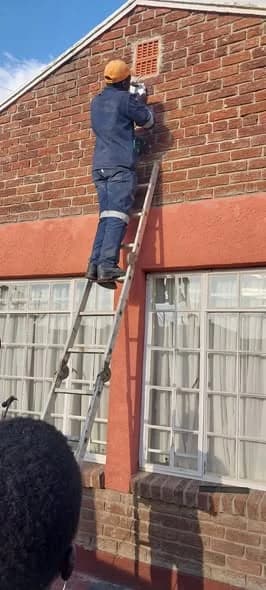
Integrated security, documented networks and custom portals for institutions that need control at scale.
Define responsibilities and standards first, then plan each system as part of a maintainable organisation-wide architecture.
A typical design may combine segmented networks, central management, controlled administration and documented support procedures.
Departments can work from defined permissions and documented systems while technical teams retain a practical path for maintenance and expansion.
When several departments share infrastructure, administrators lack clear ownership or new sites must follow a common technical standard.
A practical place to begin
Tell us what is not working, what needs protection or what the organisation wants to change. We can help turn that into a site assessment and technical scope.
Tell us what you need — we will respond with a clear, no-obligation quotation and a practical next step.